



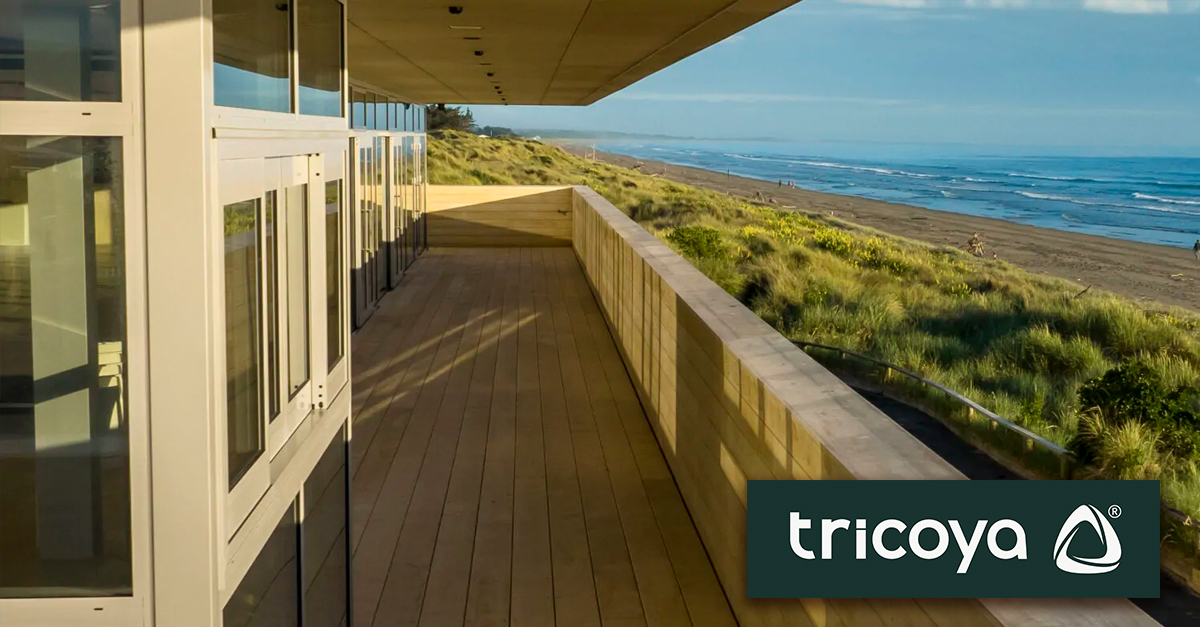
MDF, or Medium density fiberboard has long given architects and manufacturers something valuable: Consistency. Its uniform composition makes MDF easy to cut, machine, route, sand and finish, giving designers freedom when creating everything from mouldings and panels to door components and specialty details.
But conventional MDF also comes with a list of familiar limitations. Topping the list? Moisture.
When MDF is exposed to exterior conditions, persistent humidity or water, the wood fibers absorb moisture and swell like a sponge. That can lead to splitting, sagging, and crumbling, which has historically limited where and how the material can be used.
Tricoya® by Accoya® changes that equation.
By applying its proven acetylation technology to the wood fibers used to manufacture the panel, Tricoya combines much of the versatility associated with MDF with exceptional dimensional stability and durability Accoya wood is known for. The result is a high-performance modified exterior MDF panel engineered for applications that conventional MDF simply wasn’t designed to handle.
For architects, manufacturers, millwork shops and other building professionals, that opens up a much broader range of possibilities.
Why Conventional MDF Struggles With Moisture
To understand what makes Tricoya different, it helps to understand why wood moves in the first place.
Wood contains naturally occurring hydroxyl groups that attract and release water molecules as surrounding moisture conditions change. As wood fibers take on or release moisture, they can swell and shrink.
With conventional MDF, that moisture play can become especially problematic in exterior or humid environments. Dimensional movement can affect the panel itself and may also influence joints, profiles, coatings and the overall appearance of a finished component.
Tricoya solves the problem at the fiber level.
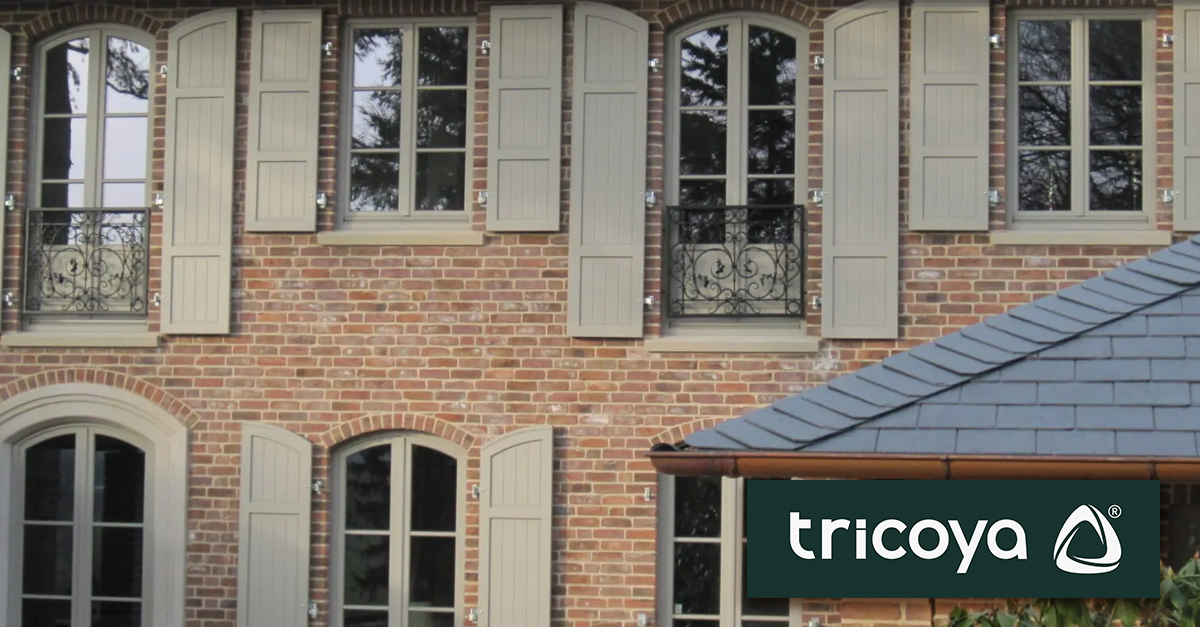
How Tricoya Solves Design Problems
Tricoya is a high-performance MDF panel made from acetylated wood fibers, technology closely related to the acetylation process used to make Accoya Acetylated Wood.
Rather than relying solely on a coating or surface treatment to protect the finished panel, acetylation modifies the wood fibers themselves.
For anyone working with the material, that difference is important.
Tricoya retains the design and manufacturing flexibility people expect from MDF, but adds dimensional stability, durability and resistance to fungal decay that allow the panel to perform in exterior, wet and high-humidity environments.
In practical terms, Tricoya opens the door to MDF-based solutions in applications where conventional MDF would typically be ruled out, giving Rex Lumber an opportunity to work with lumberyards, millwork shops and project teams early in the specification process to determine where the material is the right fit.
 How Acetylation Improves MDF Performance
During acetylation, moisture-attracting hydroxyl groups within the wood are converted into acetyl groups. This drastically reduces the wood fiber’s ability to absorb water.
Less moisture interaction means dramatically reduced swelling and shrinking, which helps give Tricoya its dimensional stability. The process also improves durability without depending on an applied preservative treatment.
For an architect or manufacturer, that dimensional stability translates into greater predictability when a finished component will be exposed to weather, humidity or repeated changes in moisture.
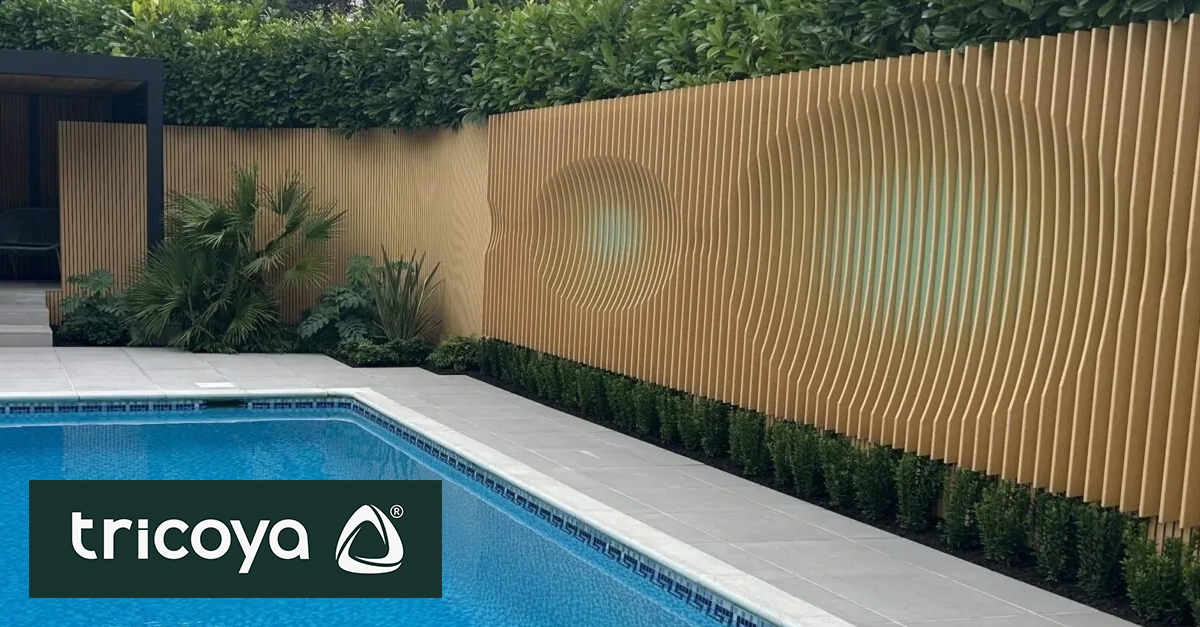
Exterior Durability Without Giving Up the Advantages of MDF
Tricoya’s value isn’t based on durability alone. Plenty of materials can withstand exterior exposure.
What makes Tricoya particularly interesting is that it combines exterior performance with the machining and fabrication versatility of MDF.
That combination gives specifiers and manufacturers more flexibility to create detailed components without having to source an entirely different material simply because the application is exterior or moisture-prone.
With superior durability and stability, Tricoya has a considerably longer lifespan than unmodified wood products, with a host of other benefits:
- Class 1 durability rating
- Dramatically reduced swelling and shrinking
- Resistance to fungal decay
- Extended intervals between exterior coating maintenance
- FSC®-certified sourcing
- No Added Formaldehyde manufacturing
- A 50-year warranty above ground and 25-year warranty in ground
While not necessary to protect the panels, water based paint systems may be used to decorate Tricoya, depending on the desired look.
Exterior adhesives such as epoxy, polyurethane, phenol-resorcinol resin, and EPI may be used as long as they meet exterior use requirements via ASTM D5751 Wet Use, or other equivalent test method can mean Tricoya qualifies for exterior use cases that other materials simply can’t.
Where Can Tricoya Be Used?
The performance characteristics of Tricoya create opportunities across a wide range of non-structural exterior and moisture-exposed applications.
Exterior Trim, Fascia and Soffits
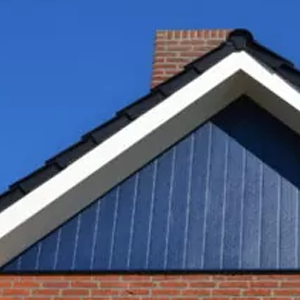 Exterior trim and architectural details are routinely exposed to changing temperature and moisture conditions. Tricoya’s stability makes it well suited for fabricated trim, fascia, soffit panels and other secondary exterior components where maintaining dimensions and appearance matters.
Façade, Siding and Panel Applications
Tricoya can be used for façade paneling, siding and other exterior panel applications. Its ability to be routed, CNC machined and coated gives designers considerably more flexibility when developing custom architectural elements.
Window and Door Components
Door skins, door panels and window and door components can benefit from a substrate that combines machinability with low dimensional movement.
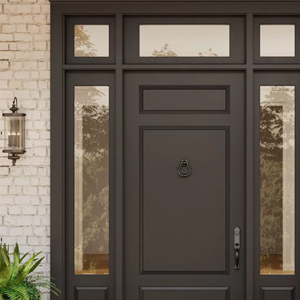 For manufacturers producing detailed or painted components, that combination can be especially useful where tight tolerances and a consistent finished surface are priorities.
Outdoor Kitchens
Outdoor kitchens present an unusual combination of fabrication requirements and environmental exposure. Components may need precise machining and a high-quality finish while also facing humidity, rain and changing temperatures.
Tricoya’s manufacturer specifically identifies outdoor kitchens as one of the material’s potential applications.
Wet and High-Humidity Interiors
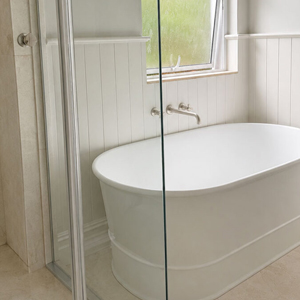 “Exterior MDF” can be a slightly misleading description because Tricoya isn’t limited to outdoor applications.
Swimming pool environments, bathrooms, changing rooms and other persistently humid interior spaces can create many of the same moisture challenges found outdoors. Tricoya provides an option for applications where standard MDF’s manufacturing advantages are desirable but its moisture sensitivity isn’t.
Signage and Specialty Fabrication
The panel can also be considered for signage, specialty furniture, lockers, cubicles and other fabricated components that need a combination of design flexibility and moisture durability.
When Should You Consider Tricoya?
Tricoya isn’t intended to replace every MDF panel or every exterior material.
It becomes particularly worth considering when a project requires the fabrication advantages of MDF in an environment where conventional MDF would be challenged.
That might include a project involving:
- Exterior or persistent moisture exposure
- High humidity or wet interior environments
- Tight dimensional requirements
- Painted or coated exterior components
- Custom profiles and fabricated architectural elements
- Reduced swelling and shrinking
- Long-term durability and lower maintenance requirements
For these applications, the question becomes less about whether MDF is traditionally considered an exterior material and more about which MDF technology is appropriate for the environment.
Tricoya offers a very different answer than conventional MDF.
More Design Freedom Starts With a More Versatile Substrate
Rex Lumber knows material selection can sometimes force a compromise.
A material may perform well outside but be difficult to machine into the shape a project requires. Another may provide an ideal surface for detailed fabrication but lack the durability needed for the environment.
That’s why we’re proud to offer Tricoya, to help narrow that gap.
Its uniform panel format gives architects and manufacturers a substrate that can be cut, routed and CNC machined into complex forms while its acetylated fibers provide the dimensional stability needed for demanding environments.
It can also be sanded to a finer surface and decorated with water-based paint systems, and laminated with materials including veneers, foils, melamine papers and high-pressure laminates.
That flexibility can make the material particularly useful when the design calls for more than a flat exterior panel.
Profiles, decorative elements, door components, fabricated panels and custom architectural details become part of the conversation.
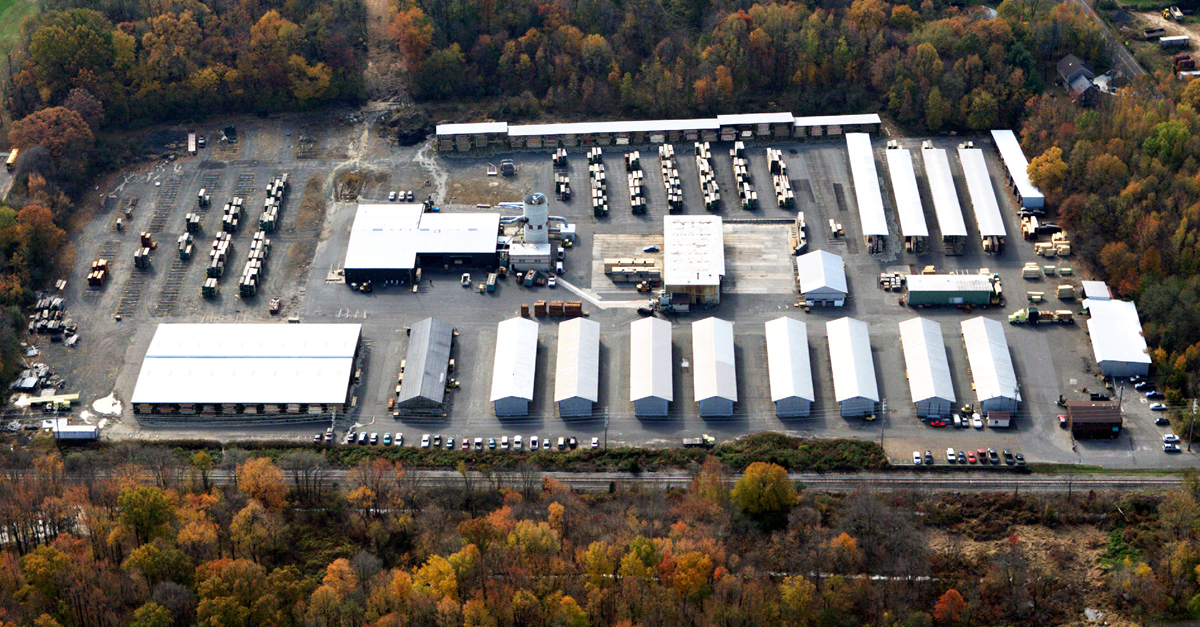
Tricoya From Rex Lumber: From Panel to Finished Component
Choosing the right material is only one part of creating a successful finished product. The panel still needs to become something.
That’s where Rex Lumber’s value extends beyond supplying Tricoya.
Rex currently offers Tricoya panels in 6, 9, 12,15, & 18mm thicknesses, with 4-foot by 8-foot and 4-foot by 10-foot formats. FSC-certified stock is available, and other sizes may be available upon request, depending on minimum order quantities and mill confirmation.
More importantly, we support customers with the manufacturing capabilities needed to take material further.
Rex Lumber’s custom millwork operations can rip panels and produce custom mouldings to our customers’ specifications.
For projects with mouldings requiring a finished surface, Rex also can provide in-house finishing capabilities that include sanding, priming, and topcoat applications. Finishing operations are performed in controlled environments and configured according to the material, profile and finish requirements of the project.
For Tricoya, the opportunity we’re able to offer our customers is straightforward: Instead of thinking only in terms of buying sheets, architects, manufacturers and millwork shops can work with Rex to determine how the material fits into the larger production process.
Tricoya: Expanding What’s Possible With Exterior MDF
The most important thing about Tricoya isn’t any one performance stat, or shining use case scenario.It’s what Tricoya’s characteristics allow architects and manufacturers to do differently.
And the panel itself is only the starting point.
Rex Lumber combines our access to Tricoya with custom millwork, machining, sanding and finishing capabilities that can help turn a specialty panel into a component prepared for the needs of a specific project.
If you’re evaluating Tricoya for an upcoming exterior or high-moisture application, talk with Rex Lumber early in the process. We can help you review panel availability and determine the machining, millwork and finishing requirements needed to move from material specification to a project-ready solution.
Frequently Asked Questions About Tricoya®
What is Tricoya?
Tricoya® is a high-performance MDF panel made from acetylated wood fibers. Using technology closely related to the acetylation process behind Accoya® Acetylated Wood, Tricoya combines the versatility of MDF with enhanced dimensional stability, durability and resistance to fungal decay.
Is Tricoya suitable for exterior use?
Yes. Tricoya is designed for demanding exterior, wet and high-humidity environments. Its acetylated wood fibers interact far less with moisture than conventional MDF, helping dramatically reduce swelling and shrinking.
How is Tricoya different from traditional MDF?
Traditional MDF can absorb moisture and swell when exposed to exterior or humid conditions. Tricoya modifies the wood fibers themselves through acetylation, giving the panel greater dimensional stability and durability in environments where conventional MDF would typically be ruled out.
What is acetylated MDF?
Acetylated MDF is made using wood fibers that have been modified through acetylation. During the process, moisture-attracting hydroxyl groups in the wood are converted into acetyl groups, reducing the fibers’ ability to absorb water and helping improve dimensional stability and durability.
Is Tricoya waterproof?
Tricoya is better described as a highly dimensionally stable MDF panel designed for wet, humid and exterior environments. Its acetylated fibers absorb significantly less moisture than conventional MDF, which helps reduce swelling and shrinking in a wide range of non-structural exterior and moisture-exposed applications.
Can Tricoya be painted or finished?
Yes. Water-based paint systems may be used to decorate Tricoya depending on the desired appearance. The panel can also be sanded and laminated with materials including veneers, foils, melamine papers and high-pressure laminates.
Does Tricoya need to be painted for exterior use?
No. The approved article notes that paint is not necessary to protect the panel itself, although water-based paint systems may be used when a particular color or finished appearance is desired.
How durable is Tricoya?
Tricoya carries a Class 1 durability rating and is designed for long-term use in demanding environments. It also offers a 50-year warranty above ground and a 25-year warranty in ground, subject to manufacturer requirements and warranty terms.
Is Tricoya suitable for structural applications?
Tricoya is positioned for non-structural applications. It is well suited for uses such as exterior trim, fascia, soffits, siding, façade panels, window and door components, signage and other fabricated architectural elements.
Can Rex Lumber machine and finish Tricoya?
Yes. Rex Lumber can support Tricoya projects with value-added manufacturing capabilities that go beyond supplying sheets. Rex can rip panels, produce custom mouldings to customer specifications and provide in-house finishing capabilities including sanding, priming and topcoat applications for appropriate moulding projects.