



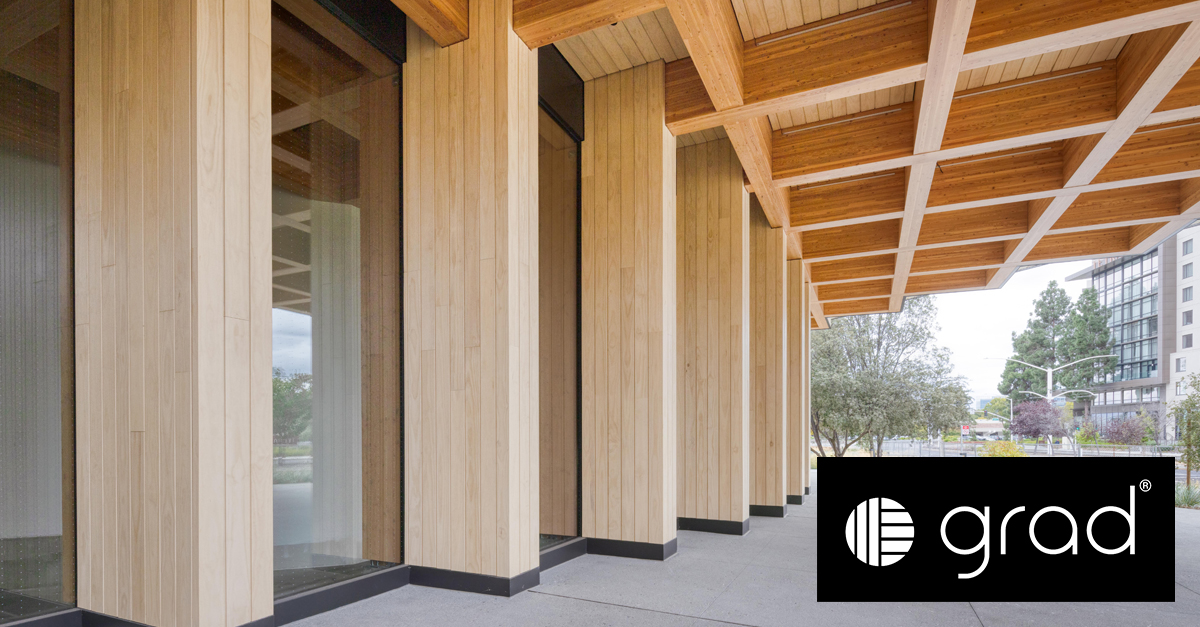
For many architects, and building professionals, Grad® System is still most closely associated with decking. That makes sense, given its patented clip-on installation system solves several familiar deck-building challenges by eliminating visible face fasteners, controlling board spacing, and simplifying installation.
But decking is only part of what Grad System can do.
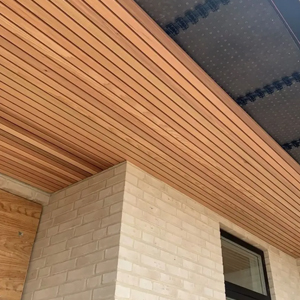 Grad is an engineered hidden-fastener installation system for decking, siding, cladding, rainscreens, soffits, ceilings, wall panels and other architectural wood applications. Precision-grooved boards snap onto clips pre-mounted to aluminum rails, creating consistent spacing and clean, concealed fastening.
As an Official Grad Milling Partner, Rex Lumber custom-machines compatible lumber and mouldings. Our team coordinates the wood, profile and installation system before material reaches the project.
Grad is more than a way to fasten material. It helps create a cleaner, more consistent finished assembly by controlling spacing, supporting ventilation and making installation more predictable across a variety of applications.
How Grad Hidden Fastener System Works
At the center of Grad System are aluminum rails with factory-positioned polyoxymethylene, or POM, clips. Rex Lumber precision-machines compatible boards and mouldings with the grooves required for those clips. This preparation adds another layer of consistency before the material reaches the jobsite. With that work completed in-house before the material reaches the jobsite, installers can position the rails and simply snap the prepared boards into place.
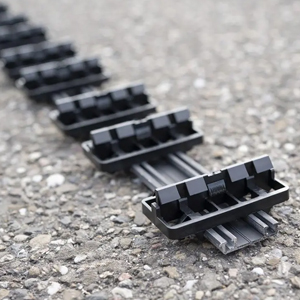 The fasteners stay concealed. The system creates consistent board spacing without requiring installers to measure each gap individually. The installer doesn’t need to pre-drill every board or repeatedly check the gap between pieces. With compatible rail configurations, installers can remove individual boards. This provides access below the finished surface and simplifies future replacement.
Our customers report using 10 times fewer screws and clips, and completing projects up to two times faster. For architects and specifiers, however, speed is only part of Grad’s value add.
The larger opportunity is repeatability.
On large-scale façades, decks, soffits or highly detailed architectural surfaces, small variations in spacing and alignment become increasingly visible. By incorporating the clip locations into the rail itself, Grad creates a repeatable relationship between the board and supporting system.
Choosing the Right Grad Rail for the Application
Grad isn’t a one-rail-fits-all system. Choosing among those systems depends on factors such as the substrate, loading requirements, board material, orientation, available clearance and project geometry.
Mini Rail is a compact, non-load-bearing rail with an air gap of approximately 0.47 inches. It can be used for applications including decking over appropriate framing or surfaces, siding, cladding, soffits and ceilings. Mini Rail can also accommodate certain curved conditions.
Start Rail is another non-load-bearing configuration, with an air gap of approximately 0.71 inches. It can be used in decking and cladding applications and allows board removal with Grad keys in compatible installations.
Structural rails, including PR39 configurations, support load-bearing applications. Installers can pair them with Grad pedestals for elevated decks, rooftop installations and other structural conditions. Installers can use Grad’s modular pedestal assemblies over appropriate concrete, gravel, existing slabs and certain waterproof membranes.
Early communication with Rex Lumber’s team can guide the decision making process with recommendations best suited for unique project challenges.
Grad Applications Extend Way Beyond Decking
Grad can be used across a surprisingly broad range of residential and commercial applications.
Its decking applications include standard decks, low-clearance decks, elevated and pedestal decks, and even rooftop decks. Grad also works across balconies, patios, pool surrounds, boardwalks, stairs, bridges and other compatible installations.
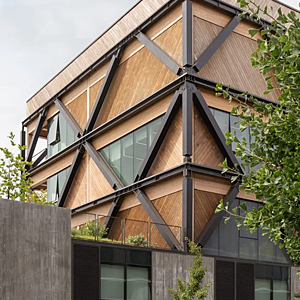 Grad materials show applications that include:
- Horizontal, vertical and diagonal siding
- Open-joint wood cladding
- Ventilated rainscreen façades
- Shiplap profiles
- Board-and-batten designs
- Curved and organic façades
- Exterior soffits
- Interior wall paneling
- Decorative and suspended ceilings
- Architectural slat installations
- Privacy screens and fences
- Gates and doors
- Benches and other specialty architectural features
Its variety and flexibility in application changes the way Grad can be considered during design.
One System Across Multiple Architectural Surfaces
Architects don’t necessarily need a different fastening approach for every architectural surface. Grad can provide a common installation system across decks, siding, soffits and ceilings. That can help create more consistent detailing across a project.
How Grad Supports Wood Cladding and Rainscreen Assemblies
Exterior wood cladding has to look good, but it also has to handle changing weather conditions over time.
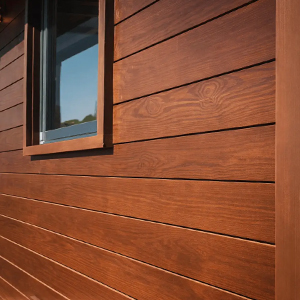 Wood naturally expands and contracts as moisture levels change. If an exterior wall doesn’t allow enough room for drainage, airflow and movement, that can lead to issues such as warping, cupping, checking or premature deterioration.
Grad helps address those challenges by creating consistent spacing and holding the boards away from the wall surface. That space helps designers provide drainage and ventilation behind the cladding. The hidden fastening system also keeps the finished surface clean and uniform.
From the outside, the benefit is easy to see: no visible fasteners and consistent board alignment.
Behind the cladding, the system can help support the airflow and drainage needed for long-term performance.
Grad is only one part of a properly designed exterior wall system, but it can make the cladding itself easier to install, more consistent in appearance and better suited to the demands of an exterior application.
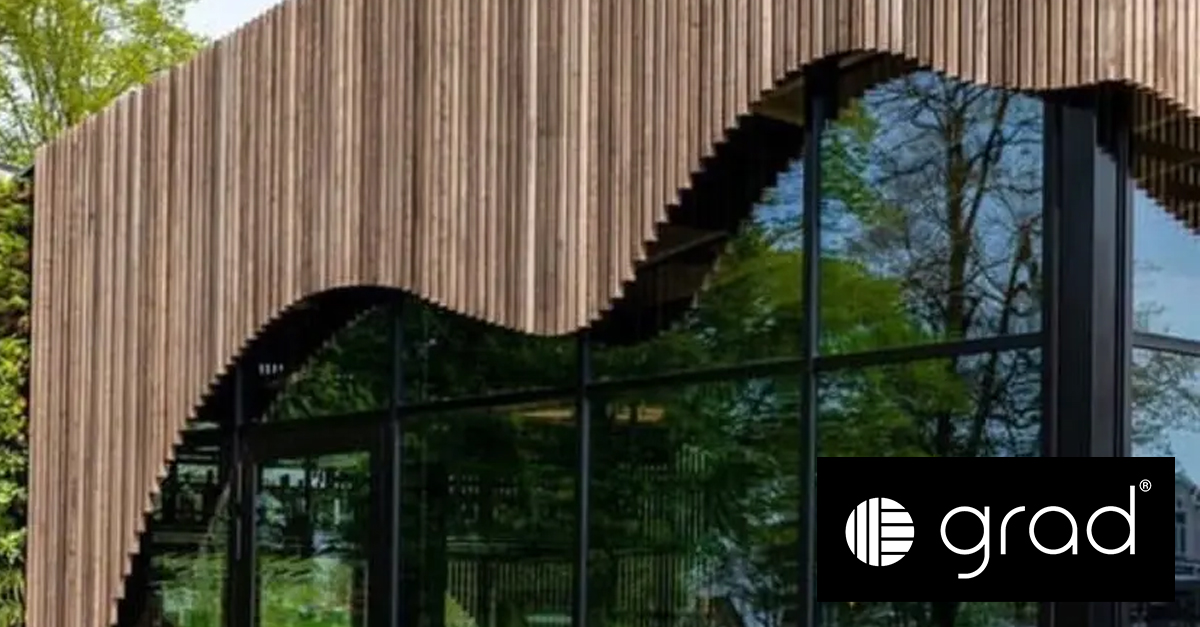
More Design Freedom, Including Curved and Complex Wood Surfaces
Architectural wood projects don’t always follow straight lines. By thinking outside the box, Grad offers architects and project specifiers design flexibility for nearly limitless application.
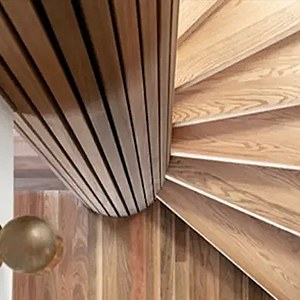
From horizontal, to vertical and even diagonal , as well as curved and organic façades, Grad has redefined what’s possible. Certain Grad Mini Rail configurations can bend to accommodate compatible curved conditions, opening possibilities where conventional rigid fastening layouts could complicate execution.
That flexibility can be valuable for curved façades, feature walls, soffit transitions and other applications where the wood is being used as an architectural focal point rather than just a surface covering.
The system also works with a range of compatible materials, including modified woods like Accoya®, Accoya® Color, and Kebony®, and many tropical and domestic species.
That design freedom still depends on technical coordination. Rex Lumber adds significant value by making sure the material, board thickness, profile, groove geometry, rail configuration, substrate and installation requirements all work together, and according to project specs.
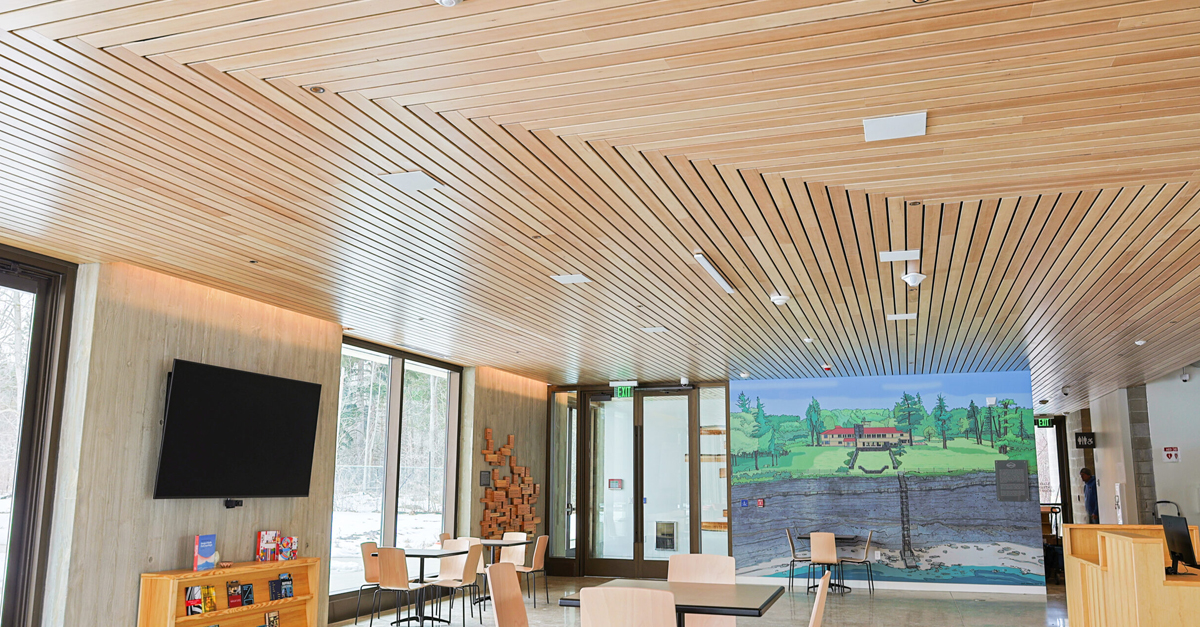
Project Spotlight: Graycliff Visitor Center
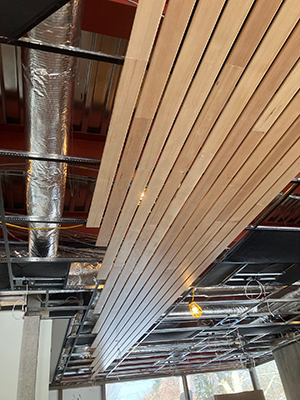 The new 4,400-square-foot Visitor Center at the Frank Lloyd Wright-designed Graycliff estate in Derby, New York, is a strong example of how architectural wood can help connect a contemporary building to its surroundings.
Designed with a mix of wood, glass and concrete materials, the visitor center features a dramatic cantilevered green roof, expansive glazing and covered outdoor areas that open toward Graycliff’s restored orchard and landscape. Prominent use of wood for exterior and overhead applications, including rainscreen siding helps soften the modern structure while connecting interior and exterior spaces.
For the project, Rex Lumber supplied custom milled Accoya® with Grad® grooves to accommodate the Grad System, and pre-finished using a Benjamin Moore Woodluxe® finishing system, along with Grad® Rails.
That combination supported both the design intent and the practical demands of the project. Accoya provided a stable, durable wood substrate for exterior use, while factory-applied finishing allowed the material to arrive with a consistent appearance and less finishing work left for later in the process. Grad’s concealed fastening system helped maintain the clean lines and uninterrupted wood surfaces that are central to the building’s understated design.
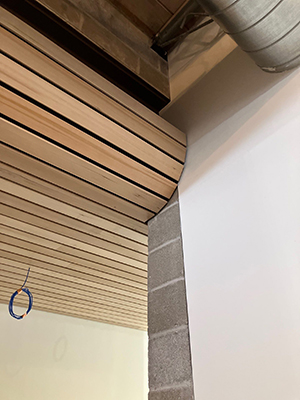 The project also demonstrates the value of coordinating these elements before the material reaches the site. By supplying pre-finished architectural wood alongside the Grad installation system, Rex helped bring material preparation, finished appearance and installation together as a more complete solution.
It’s a fitting example of the broader potential of Grad beyond decking, and of how Rex can add value by preparing architectural wood around both the design and installation requirements of the project.
Why Architects and Specifiers Should Look at the Whole Picture
 For architects, Grad can help coordinate multiple design and installation priorities within a single platform:
- Concealed fastening without visible face screws
- Consistent board spacing and reveals
- Horizontal, vertical, diagonal and certain curved configurations
- Cleaner transitions across architectural surfaces
- Ventilation and drainage behind properly designed cladding assemblies
- Reduced reliance on face fastening
- Individual board removal with compatible rail systems
- Low-clearance decking configurations
- Structural and pedestal options for elevated conditions
- Greater consistency across large or complex installations
The value becomes even more apparent when the fastening system is considered early enough to influence the material and profile rather than being selected after those decisions have already been made.
Rex Lumber Adds Precision Milling and Pre-Finishing Before the Material Reaches the Project
Rex Lumber is an Official Grad Milling Partner with in-house capabilities for machining Grad-compatible grooves into architectural lumber and custom mouldings.
Precision Grad Grooving and Custom Millwork
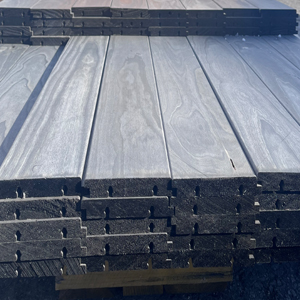
Grad requires a specific interface between the board and clip. The groove has to be machined correctly so the material engages the fastening system consistently.
Rex Lumber is uniquely positioned to incorporate those grooves directly into our custom millwork process, coordinating the wood, profile and Grad installation system as a cohesive solution for our customers. That same in-house approach can extend beyond machining to include pre-finishing, allowing Rex to prepare the material for both installation and its intended finished appearance before it leaves our facility.
Rex can work with products including Accoya®, Accoya Color®, Kebony®, Ipe and other compatible materials including tropical and domestic species, determine the appropriate Grad-related milling requirements, run custom moulding profiles where needed, and precision-machine the boards for the installation system. Depending on the material and project requirements, Rex can also apply interior or exterior finishes as part of the preparation process.
Concealed fastening works best when the material is machined consistently and the profile is designed with the installation system in mind.
That’s where Rex’s fully in-house custom millwork operation adds real value. By controlling the machining process from start to finish, Rex can maintain the consistency needed for Grad-compatible grooves, even across large production runs.
In-House Pre-Finishing Adds Another Level of Coordination
Rex’s pre-finishing capabilities add another level of coordination. Rather than sending material through separate suppliers for milling and finishing, customers can work with Rex to have compatible materials machined, prepared and finished within a more streamlined process. Rex can apply interior and exterior finishes before shipment, reducing later production or installation work and improving preparation consistency.
Rex can also coordinate more than Grad grooving. A project may require custom profiles, unique dimensions, precision sanding, pre-finishing or other preparation. Rex can handle those steps together rather than sending the material through multiple suppliers. The result is a more complete, project-ready material solution.
Grad provides the engineered installation platform. Rex prepares the architectural wood to work with that platform. The result is a more predictable fit between the precision-machined and pre-finished material for its intended interior or exterior application and Grad System, with fewer variables left to resolve later in the process.
Project Spotlight: Rex Lumber New Jersey Office
Rex Lumber doesn’t just supply Grad® System. We have so much confidence in the system’s performance that we even use it in our own facility upgrades.
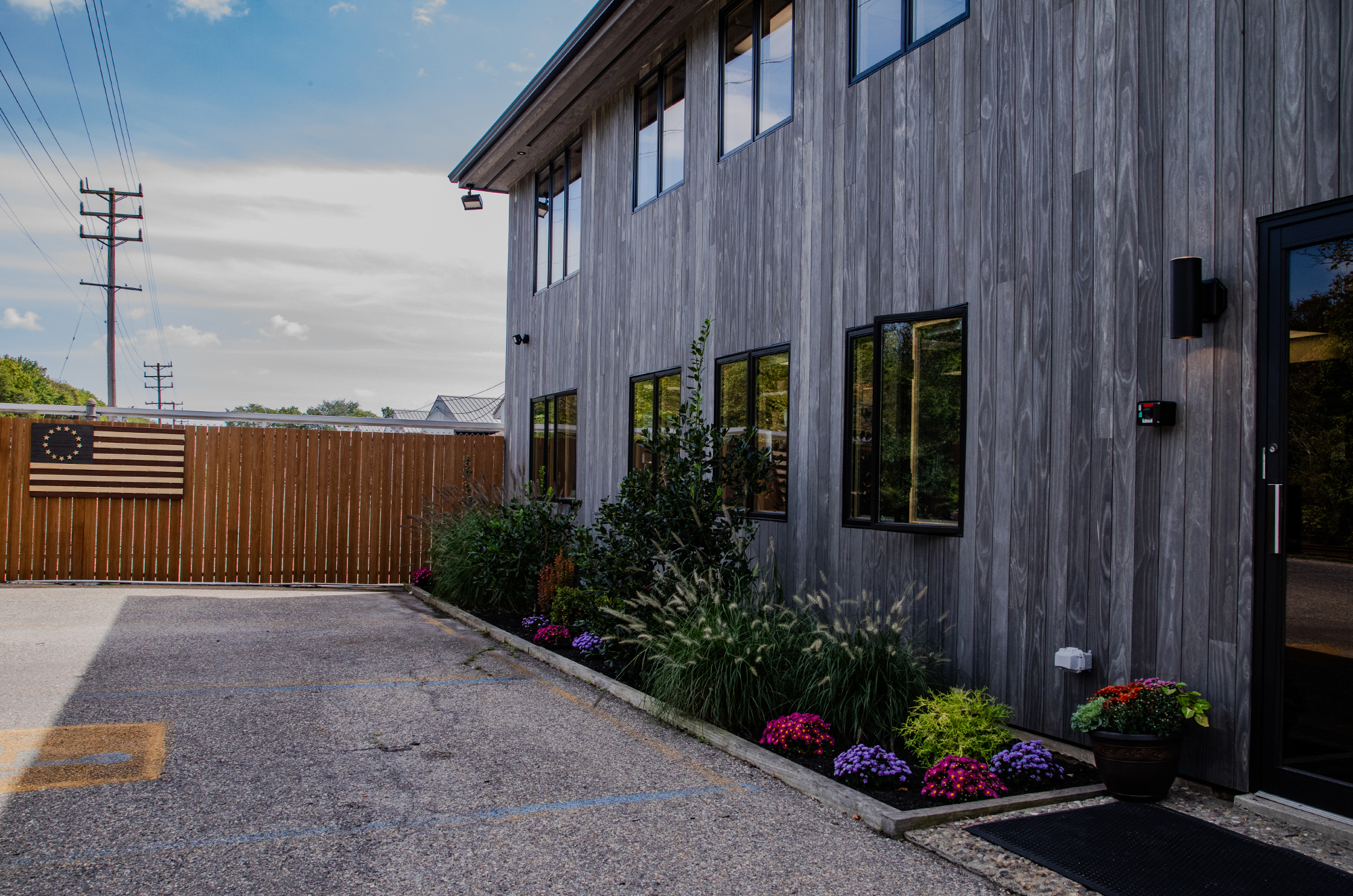
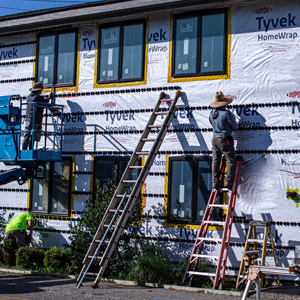 During the complete exterior renovation of Rex’s Englishtown, New Jersey office, our team replaced the building’s original 1970s cedar siding with a modern rainscreen assembly featuring Grad Mini Rail and custom-milled Accoya® Color Grey siding. Our team installed the boards vertically over horizontally mounted Mini Rails. The system created the clean, fastener-free appearance the design called for while providing space for drainage and airflow.
The project also gave Rex’s team invaluable firsthand experience with Grad installation. Once our team secured the Mini Rails, the siding boards simply snapped into place. The installation demonstrated the efficiency and precision we help customers achieve on their own projects. Read the full story, A Fresh Look for Our New Jersey Office here.
Better Results Start with Earlier Coordination
One of the biggest opportunities with Grad is also one of the simplest: start the conversation sooner.
Before material is milled, it’s useful to understand:
- What wood or other compatible material is being specified?
- What profile and board width are required?
- How will the boards be oriented?
- What substrate or framing condition is behind the surface?
- Is the assembly structural or non-structural?
- Does the project include curves, stairs, fascia or unusual transitions?
- Is board removability important?
- Is the deck or façade over a waterproof membrane?
- What clearances and elevations need to be accommodated?
- How should adjacent architectural surfaces come together?
Asking the right questions early in the project planning process results in fewer decisions left to the field, more predictable installation, and a clearer path from architectural concept to finished wood assembly.
If you’re evaluating Grad for an upcoming decking, cladding, soffit, ceiling or custom architectural wood project, reach out to Rex Lumber early. Our team can help coordinate the material, profile and milling requirements so the wood and installation system are designed to work together before the first board reaches the jobsite.
Frequently Asked Questions About the Grad System
Is Grad only a decking system?
No. Grad System is widely recognized for decking, but the system can also be used for compatible siding, cladding, rainscreens, soffits, ceilings, wall panels, fences and other architectural applications. Grad materials show residential and commercial projects across horizontal, vertical, overhead and curved surfaces.
Can Grad be used for wood rainscreen cladding?
Yes, when the complete wall assembly is appropriately designed. Grad System rails hold the wood away from the substrate and can help create the air space needed for ventilation and drainage. The Grad system should be considered one component of the full rainscreen, alongside the WRB, flashing, drainage and other building-envelope requirements.
What wood species can be used with Grad?
Grad supports a range of compatible materials. Rex commonly works with architectural wood products including Accoya, Accoya Color, Kebony and Ipe, along with many tropical and domestic species, for appropriate Grad applications. Material, profile and groove compatibility should be confirmed for each project.
Can Grad be used on curved walls?
Certain configurations can. Mini Rails can bend for compatible curved cladding conditions, allowing architects to explore radiused and organic architectural wood forms. The achievable radius depends on the rail, profile, material and overall assembly.
What does Rex Lumber do for Grad projects?
Rex Lumber is an Official Grad Milling Partner. Rex can precision-machine Grad-compatible grooves into lumber and custom mouldings, coordinate suitable materials and profiles, and help customers prepare architectural wood around the installation requirements of the Grad System.
Can Grad be used for rooftop or elevated decks?
Yes. Grad offers structural rail and pedestal configurations for appropriate elevated, rooftop and platform deck conditions. Project loads, pedestal spacing, substrate conditions, waterproofing and applicable building requirements still need to be evaluated for the specific installation.